Fluid equipment, such as pumps, compressors, valves, etc., play a vital role in industrial production. In order to ensure the stable operation and extend the service life of these equipment, daily maintenance work is particularly important. This article will discuss the daily maintenance of fluid equipment in detail to help relevant operators better understand and perform maintenance work.
1. Appearance and operation inspection
First, the visual inspection of the fluid equipment is the basis of daily maintenance. The operator should check the surface of the equipment for signs of damage, deformation, or corrosion, which can affect the performance and safety of the equipment. At the same time, the operation check, including opening and closing the device, to observe whether it runs smoothly, whether there is a delay or abnormal sound. These checks help identify potential problems in a timely manner and prevent further failures.
Second, cleaning and lubrication
Cleaning is an important part of routine maintenance of fluid equipment. Operators need to regularly remove debris and dirt from the equipment and its surroundings to keep the equipment clean. In addition, for parts that need lubrication, such as bearings, valve stems, etc., appropriate lubricants should be used for lubrication to reduce wear and friction and improve the operating efficiency of the equipment.
Three, sealing inspection
Sealing is one of the key indexes of fluid equipment performance. During routine maintenance, the operator needs to check whether the seals of the equipment are intact and whether there is leakage. For seals found to be leaking, they should be replaced in time to ensure the sealing performance of the equipment. At the same time, it is also necessary to check whether the sealing surface of the valve and other parts is smooth, whether there is wear or corrosion, and repair or replace it if necessary.
Fourth, performance monitoring and adjustment
Fluid equipment performance monitoring is also an important part of daily maintenance. Operators need to regularly monitor the pressure, flow, temperature and other parameters of the equipment to ensure that they are in the normal range. If an abnormal device is found, adjust or maintain it in time to avoid failure. In addition, it is necessary to check the fasteners of the equipment to ensure that they are tight and prevent failures caused by loosening.
Records and training
After each maintenance, record detailed maintenance information, including maintenance items and parts replacement, so that you can trace the maintenance history of the device. At the same time, regular training of operators to improve their professional knowledge and operational skills is also an indispensable part of daily maintenance. Through training, operators can better understand and perform maintenance work, and improve the maintenance level of the equipment.


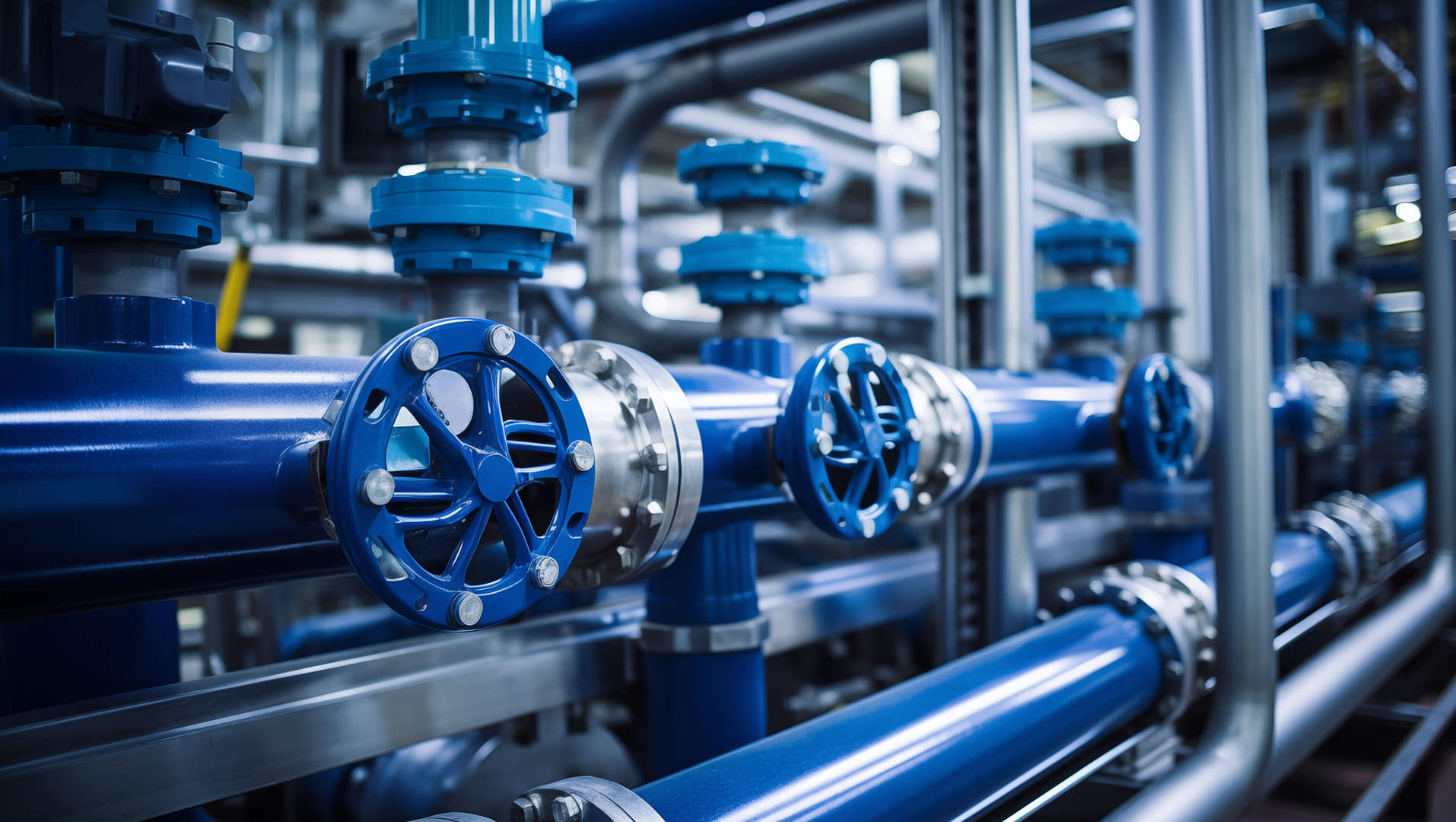 Water supply and drainage series
 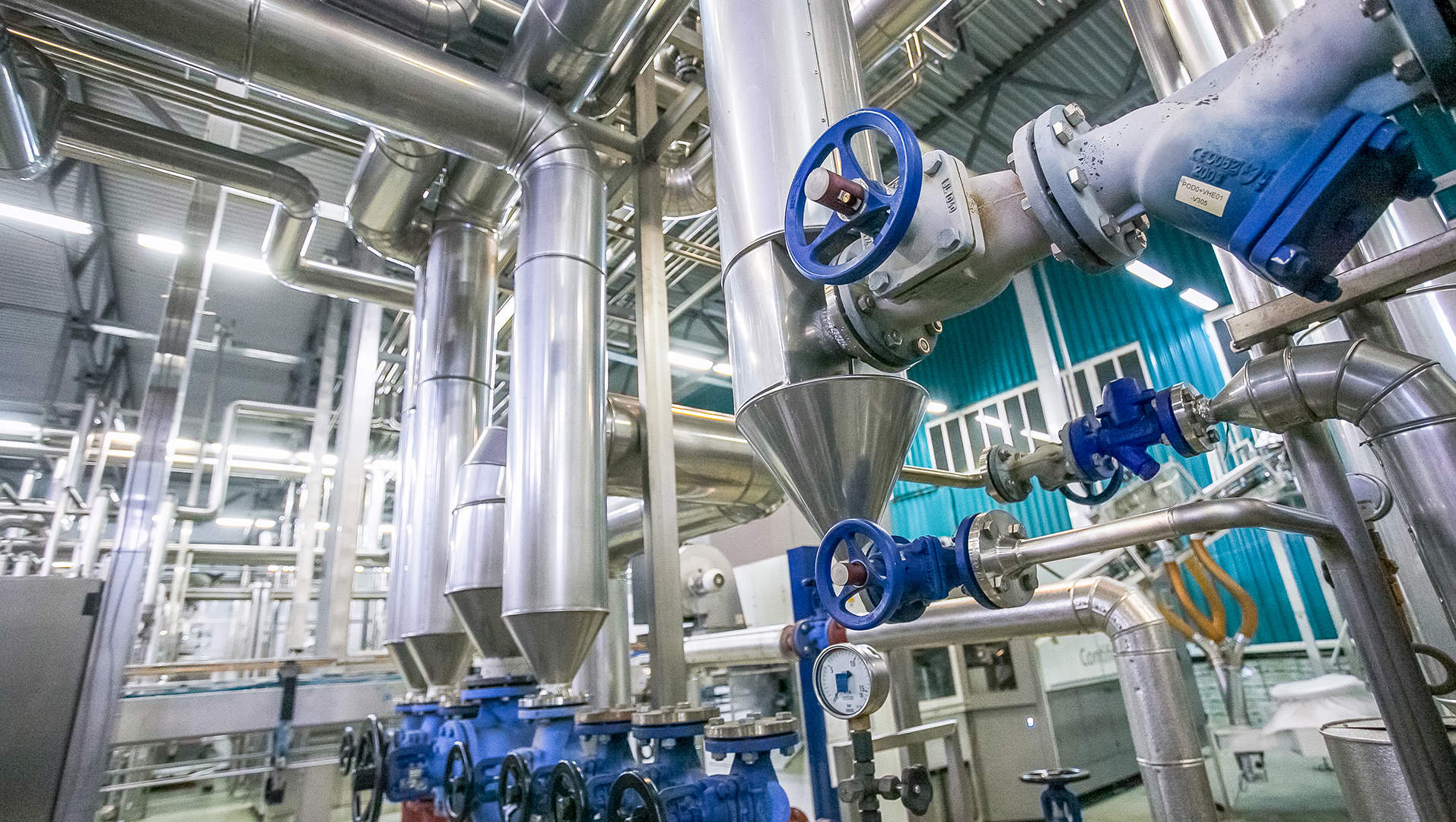 Hvac series
 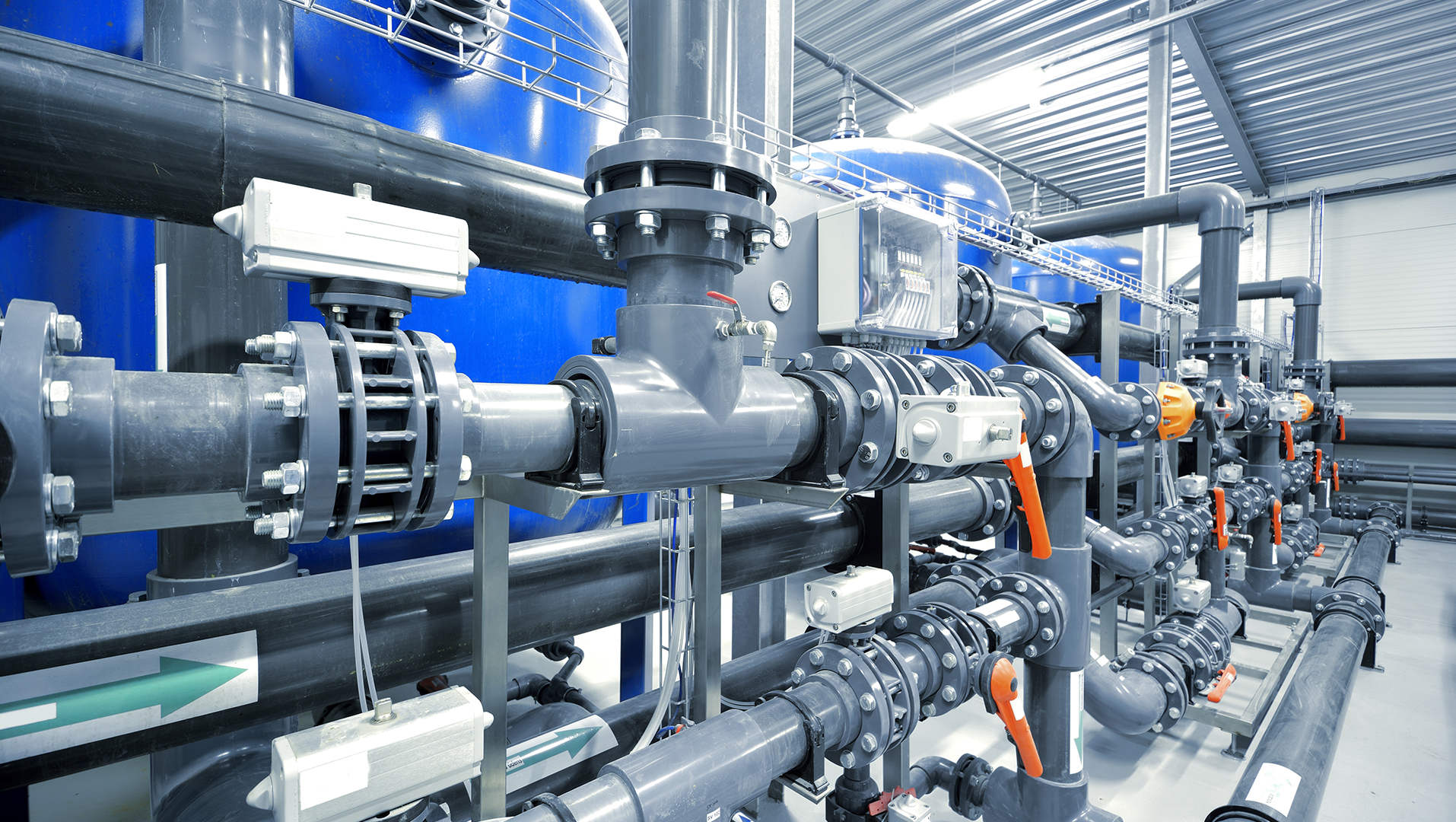 Universal series
  Industrial building
  Nuclear energy
  High-end hotel
 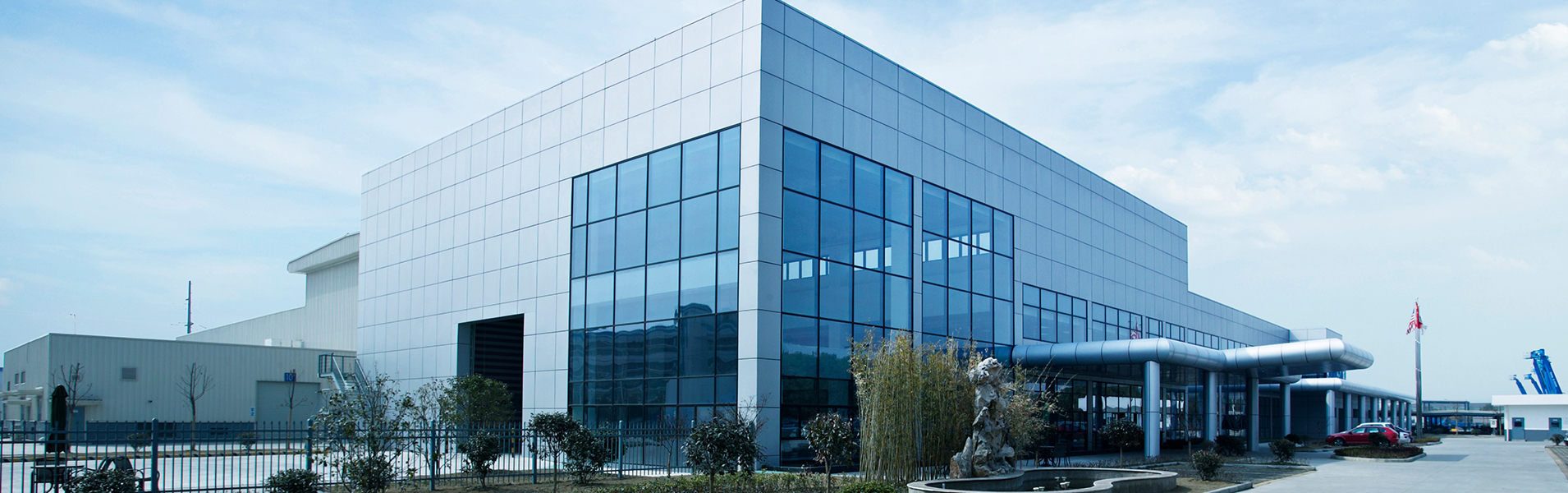 Civil building