Ball valves or needle valves are two common stop valves in instrument piping. The maintenance technician will check the valve system specifications required for each system.
Ball valves: Ball valves are suitable for quick closing and high flow applications. In addition, the handle helps to indicate one-way flow or closure. However, during the liquid flow process, the ball valve may be subjected to hydraulic impact or "water hammer" due to sudden closure, resulting in damage to upstream pressure indicators, flowmeters and other components. To avoid hydraulic shock, the following methods can be used. One way is to use bypass circuits. Before closing the ball valve, the bypass circuit is opened to provide a flow channel to avoid sudden stop of flow and pressure spikes. The second option is to use a needle valve instead of a ball valve.
Needle valves: Although needle valves are primarily used for flow or metering control, many needle valves are also suitable for forward closing applications. In addition, the fluid system shutdown using needle valves is gradual, thus preventing hydraulic shock. If used as a globe valve, the needle valve should be designed with a rotating valve head or a soft stem head for a specific purpose. When needle valves are used, special design considerations may be required to prevent leakage. For example, the metal V-shaped valve head may rub against the metal seat during closing, causing scratches.
Integrated DBB: Integrated dual block dual emission (DBB) configuration, higher. Fewer potential leak points, less space, lighter weight and simpler installation help simplify the system further.
Beware of accidentally using inappropriate fluid system components in an isolation configuration. Ball valves and some types of needle valves are suitable for forward closing, but regulating valves are not, although regulating valves can also be installed to block most of the flow. If it is necessary to close around the regulator position, it is safe to install a ball valve upstream.

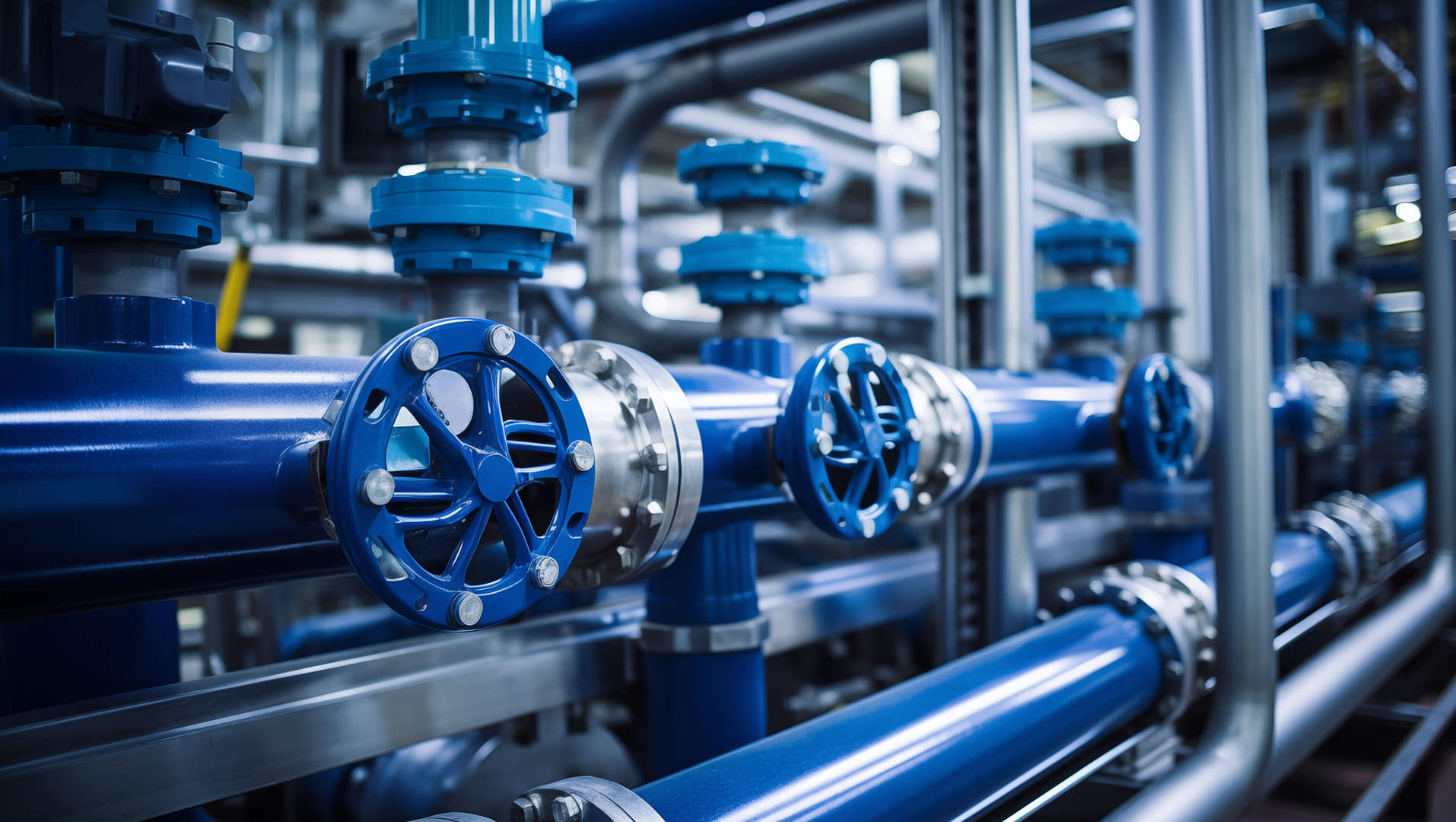 Water supply and drainage series
 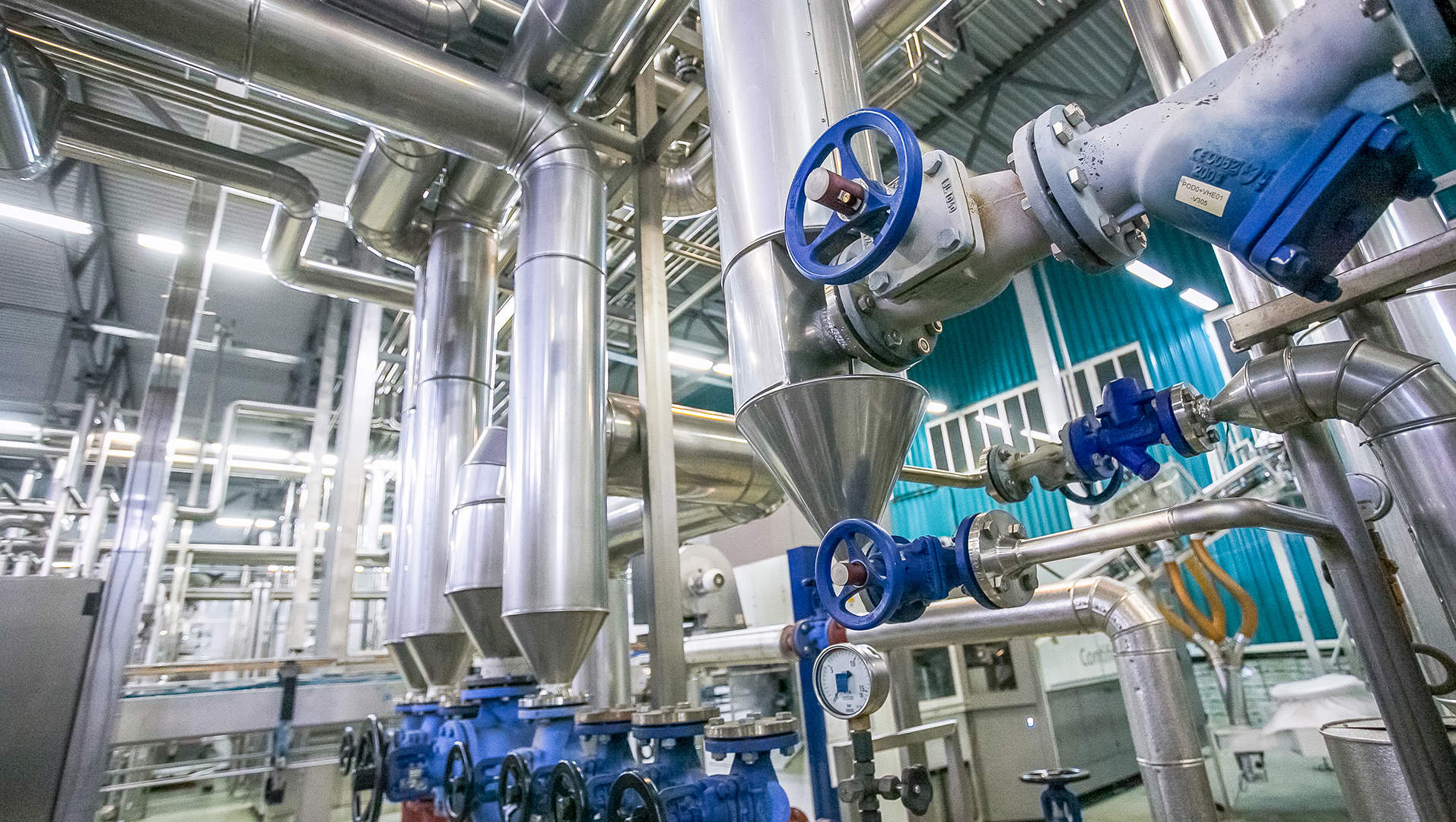 Hvac series
 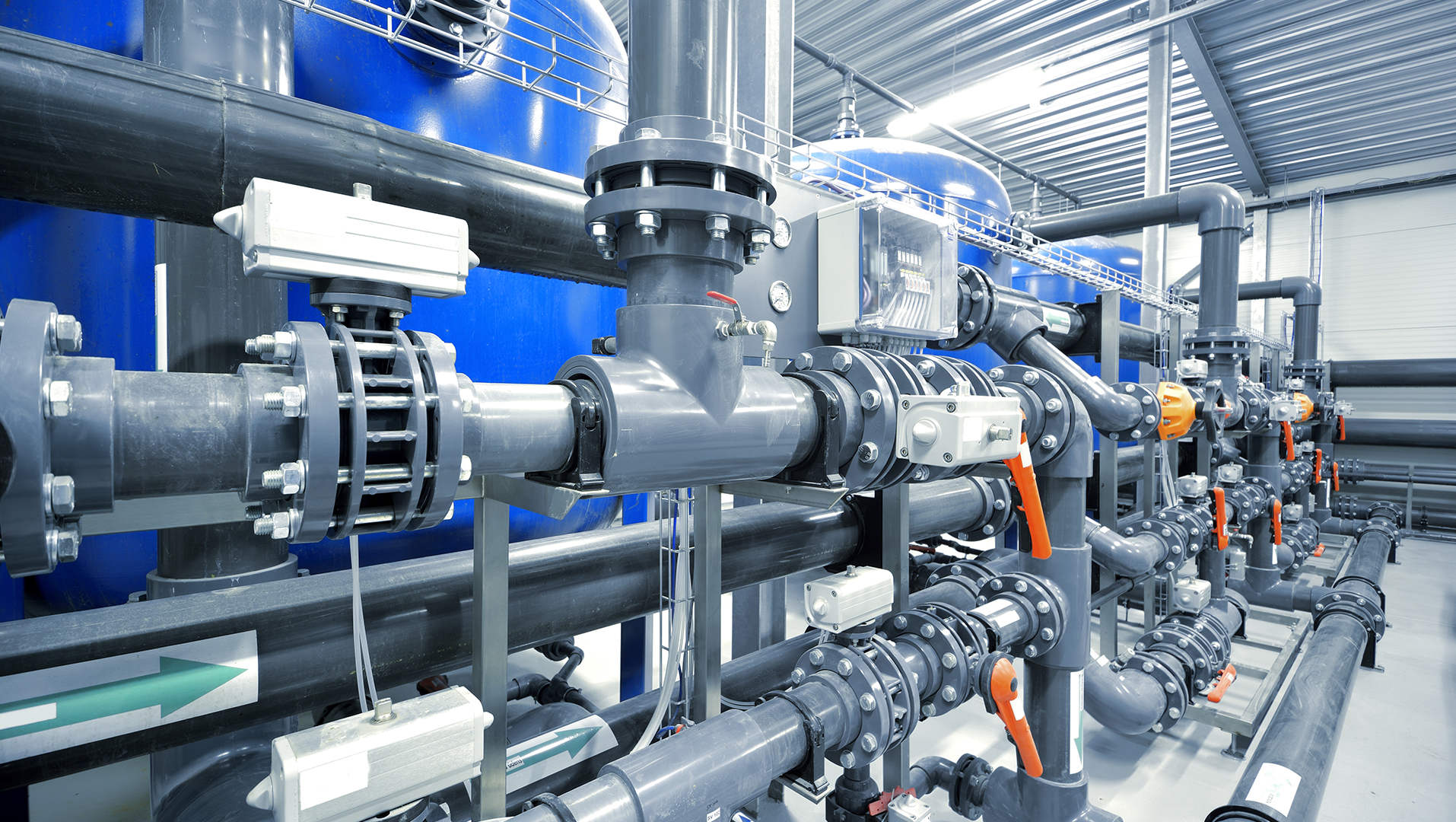 Universal series
  Industrial building
  Nuclear energy
  High-end hotel
  Civil building