Technical solution
Safety is of Paramount importance when maintaining industrial fluid systems. The pressure or internal flow of individual pipes can pose a hazard to technicians replacing instruments or measuring equipment. This is why risk managers isolate all fluid system pipes prior to maintenance.
The sequential design and installation of two stop valves has become the industry and safety standard for the energizing pillars of fluid leakage systems. The double stop valve sequence is one of the safe methods to achieve the basic state of zero pressure and zero flow.
When designing two globe valves for isolated fluid systems, engineers typically use the following two common solutions.
For engineers, one option is to add a third valve between the two to drain or release any pressure that may be leaking from one of the stop valves.
The second possible solution is to have a third valve divert the flow to the bypass loop around the section of pipe being maintained. The following Outlines two fluid system configurations that provide a safety-focused design solution for system isolation and maintenance.
The primary location of the isolation configuration is in the factory
For any fluid system pipes that may need to be maintained in a plant or industrial facility, technicians have some way to safely isolate the pipes. Some specific locations that require quarantine include:
Any equipment or components that may require regular maintenance, such as filters, valves, or transmitters.
Any system, sliding device or piping that may need to be reconfigured, repaired or replaced.
Any part of the main process pipe that may require repair or maintenance.
Any instrument piping (such as a sampling station, sampling system, or pressure, temperature, or flow coefficient) that is disconnected from the process piping.
Calibrate the fluid in the sampling system and any sampling can be turned on or off.
Isolation and decompression
One step in preparing to maintain any fluid system is to release pressure. The practice when releasing pressure is to install two stop valves in sequence to prevent pressure buildup in the maintained pipe section. A proper valve should not leak on the seat, but this can actually happen. For example, if the pipe is located outside, the sun may heat the pipe, causing the pressure to exceed the specified rating of the valve. Other possible scenarios include valves that have not been properly maintained, or if an unsuitable valve has been selected for frontal closure. In order to prevent the above and other possible leaks, a second stop valve and a discharge or exhaust valve need to be installed. In addition, if downtime is not an option, then reusing the bypass circuit of the components in the maintenance pipeline is a good option.


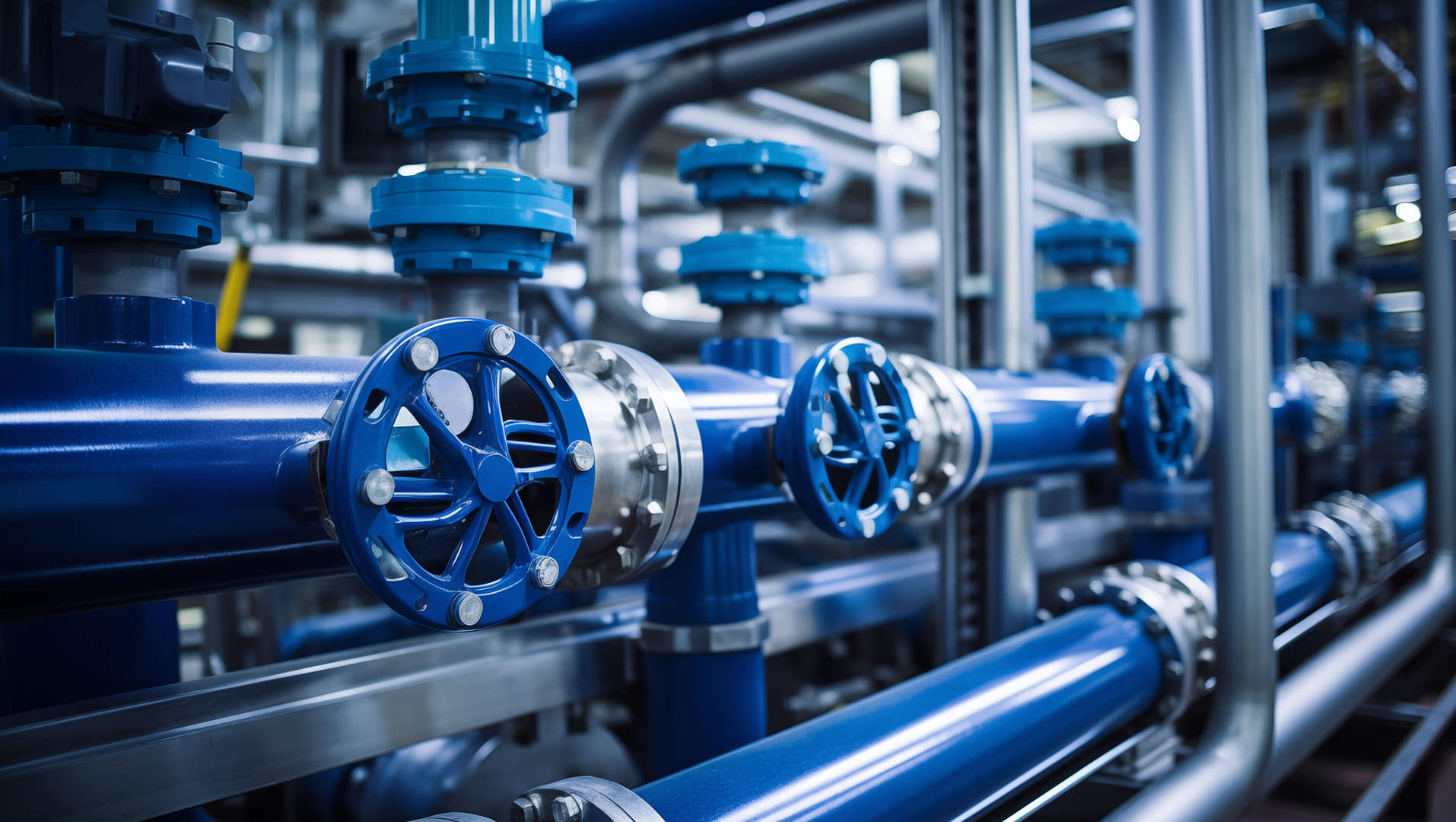 Water supply and drainage series
 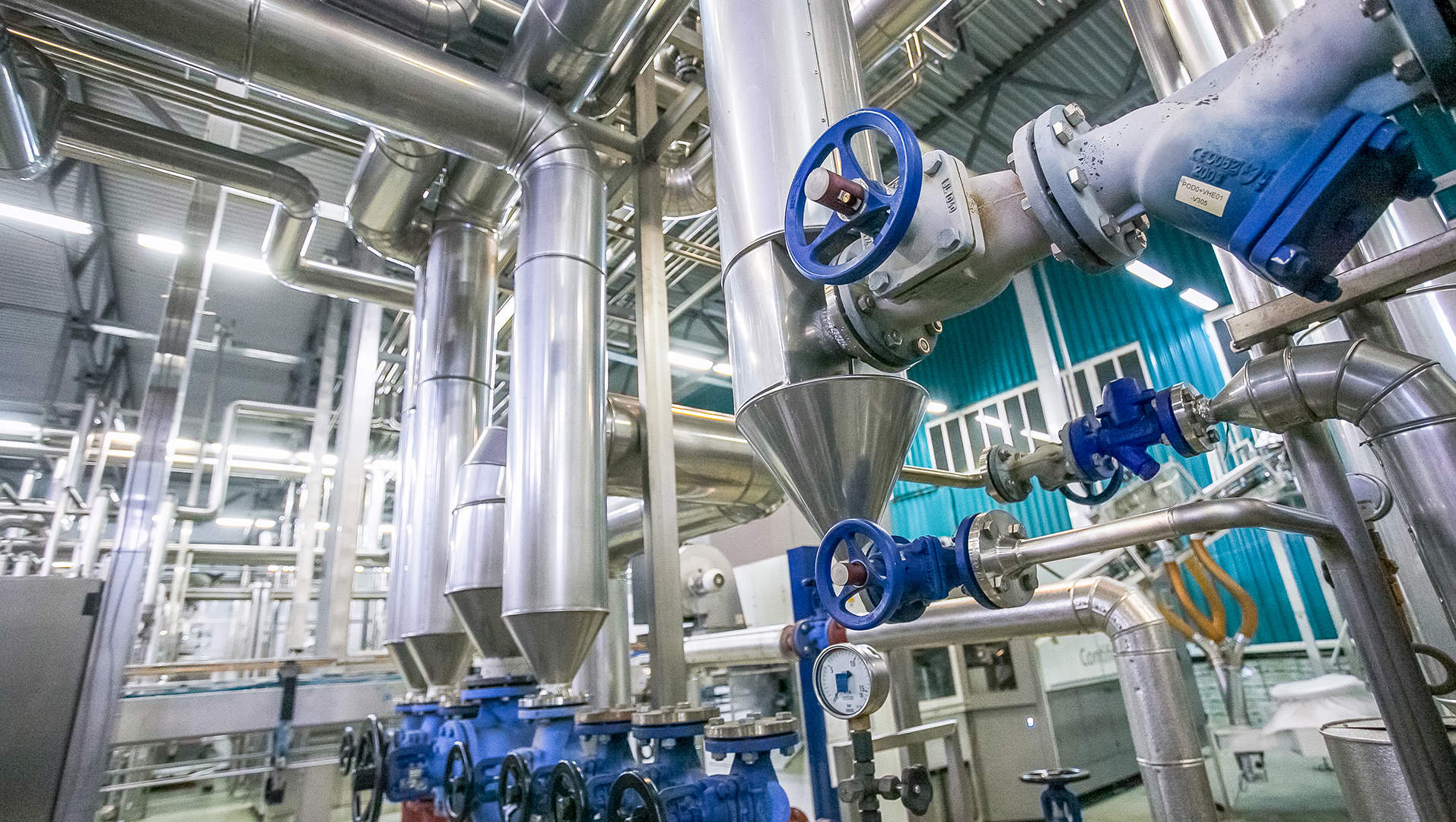 Hvac series
 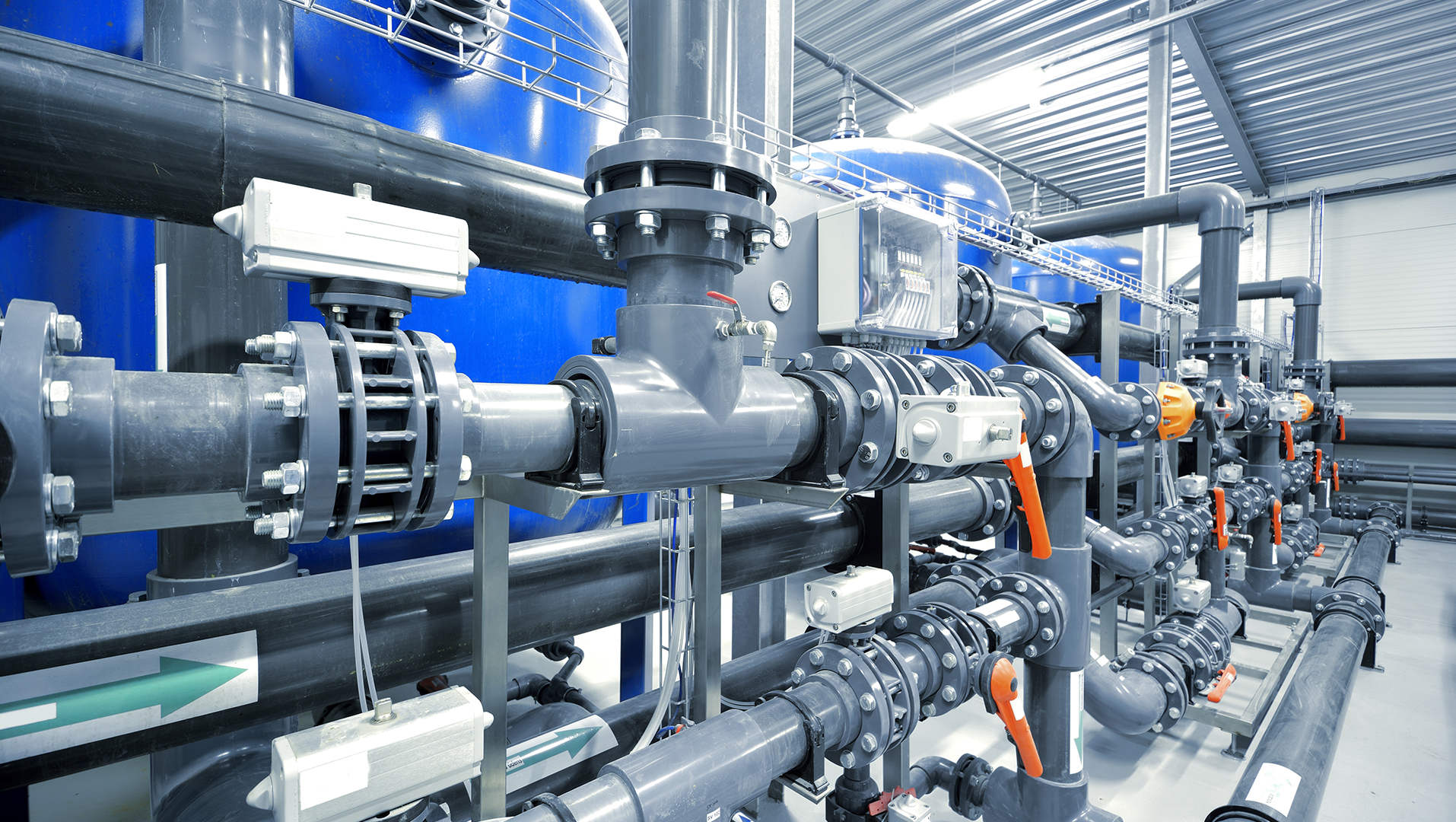 Universal series
  Industrial building
  Nuclear energy
  High-end hotel
  Civil building